
How To Grow Grass In High-Traffic Areas
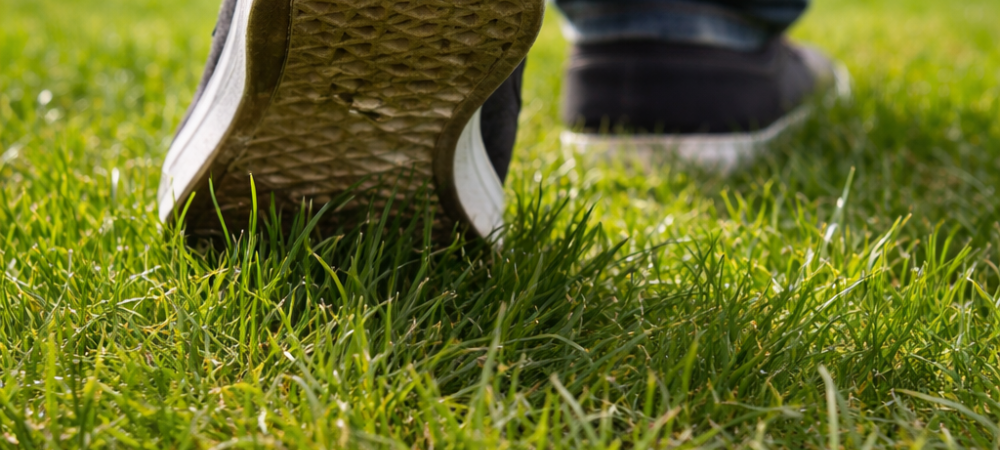
Grass struggles in high-traffic areas because repeated pressure compresses the soil and damages the grass blades. This makes it harder for roots to establish and for new growth to take hold.
Recognizing early signs of wear can help you address the problem before it worsens. You may notice:
- Worn paths where grass no longer grows.
- Thinning or patchy areas.
- Exposed soil in frequently used spots.
- Grass that does not respond to watering.
How To Repair High-Traffic Areas
Repairing these areas starts with improving the soil. Loosening compacted soil allows roots to grow more easily and improves water absorption.
Overseeding introduces new grass, while lightly covering the area helps protect seed and improve germination.
How To Make Grass More Durable
Long-term success comes from strengthening both the soil and the grass itself. Healthy soil supports deeper roots, which makes grass more resistant to wear.
Here are ways to strengthen high-traffic areas:
- Aerate regularly to reduce compaction.
- Overseed to maintain density.
- Raise mowing height slightly for added protection.
- Create walkways to redirect foot traffic.
Should I Not Walk On My Grass At All?
Avoiding traffic entirely is not always realistic. Instead, the goal is to reduce repeated stress in the same areas and give grass time to recover when possible.
Simple changes, like shifting walking paths or adding stepping stones, can make a noticeable difference.
Final Thoughts
High-traffic areas can recover with the right approach. Improving soil conditions and reducing repeated stress will help support more durable growth over time.
For assistance with improving lawn conditions or addressing problem areas, contact Quality Cut Lawn Service LLC to learn more about available services.